Photo Journalism
Mimi Mollica
Mimi Mollica is a Photographer who has worked all over the world. His work is exhibited in a number of magazines/newspapers such as The Guardian Weekend Magazine and Granta magazine.
One particular collection of photos known as London I (Exposed) caught my eye with his unique take on obscuring the subjects face within the photo. This is done for various reasons however I am thinking of adopting this technique in my photo essay in order to reinforce the idea of isolation.
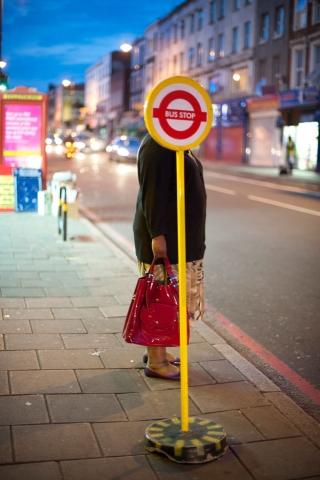
The bus stop photo uses a very clever centre framing in order to show the emptiness behind and around the subject. A low aperture focuses the viewers attention on the woman and a median shutter speed freezes the action but allows for a little motion blur. Obscuring the subjects face creates a sense of ambiguity and isolation which suits the surroundings perfectly. I want to include this kind of spontaneity in my photoessay.
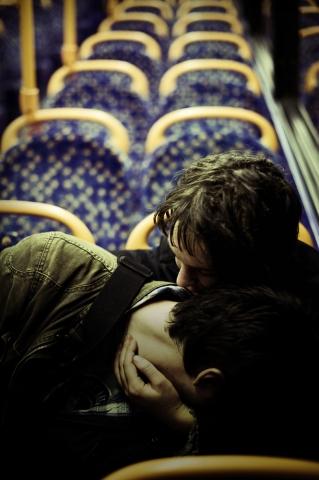
This photo in particular impressed me not only due to its technical prowess in its underexposure, but in the mindset of the photographer. This photo helped give me the confidence to be able to just take a photo without considering the subjects reaction. Because of this Mimi managed to capture this incredibly powerful and private moment on film. The aperture i incredibly thin, in order to obscure the background from the subject due to its unimportance within the frame.
Nils Jorgensen
http://www.in-public.com/NilsJorgensen
Nils Jorgensen was introduced to photography and art from a young age. His Mother was an artist and his father, although professionaly a Doctor, he was keenly interested in photography.
Nils Jorgensens double barrelled meanings in his photos are something that I am incredibly impressed by. In particular this un-named collection caused me to ponder how I might replicate or re-invision these in my photos.
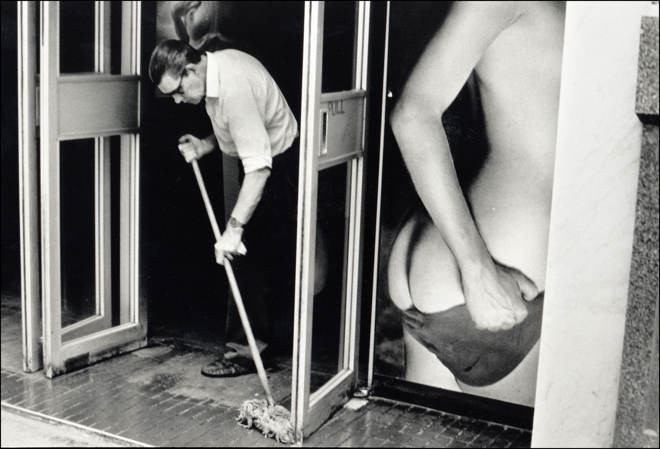
To me this photo speaks of the juxtaposition between social groups. The contrast between those considered beautiful and the power they control and the mess that has to be cleaned up by those that are outside of this bubble, however it is also a simply beautiful photograph: technically well executed and imbued with so many different messages and chances for interpretation. This is the kind of photo I want to take, whether I will achieve this or not is a matter that remains to be seen.
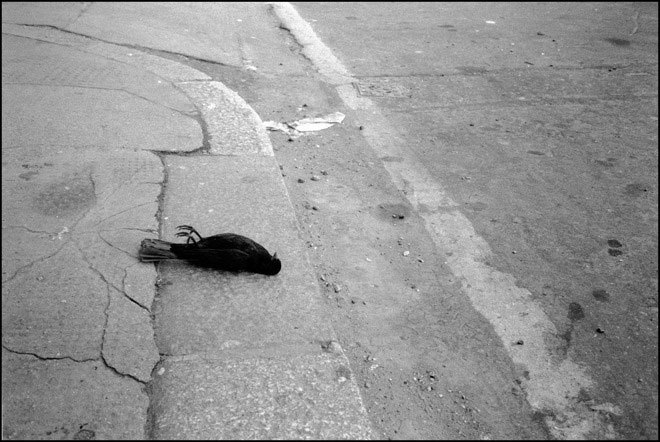
This photo caught my eye straight away. It is rare in street photography that you see photos of death, they are usually photos of movement,liveliness and activity. This fits into my idea of loneliness and isolation for my photoessay perfectly. The contrast between the dead black of the bird and the grey white of the road acts as a subtle seperation, cutting the bird off from the world. I intend to get a photo like this in Swanage, although it will more likely be a fish.
Brian Soko
http://www.street-photographers.com/author/brian
Brian Soko grew up in a socioeconomically deprived Chicago causing him to become a compassionate photographer, shooting photos from the point of view of those being oppressed.
The collection of photos named Chicago particularly impressed me, as Soko still manages to get relevant shots without sacrificing visual dynamics.
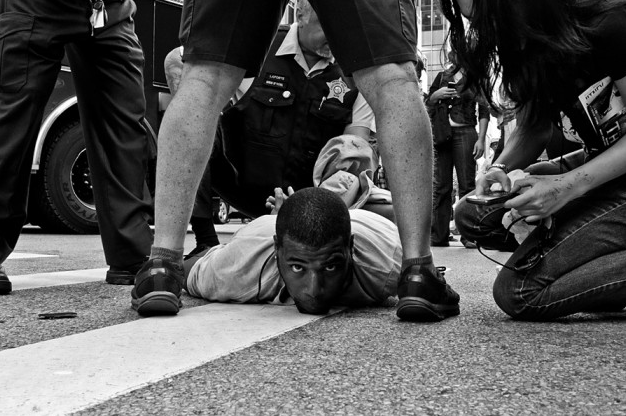
The composition and positioning of the subjects of this photo is breathtaking. The photo is executed perfectly and the link created between the audience and the subject by eye contact finishes of the sheer power of the photo.
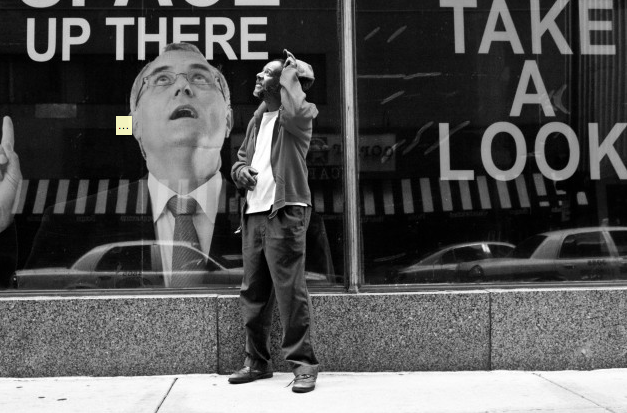
The position and pose of the subject is what makes this photo great. Soko is known for the perfect positioning of his subjects and this is no exception. The subject is framed slightly off centre to increase the visual dynamics of the photo. I will use this photo as an example of great framing and try to replicate this in the photos for my essay.
http://www.in-public.com/information/what_is
- THE Street Photography website.
- An interesting blog/article.
http://www.npr.org/templates/story/story.php?storyId=1318621
- Interesting.
